
18 June 2026 (closed)
Jakarta Composite Index (6,172.34) -48.40 -0.78%
Exploring Investment Growth in Southeast Asia's Real Estate Market
Southeast Asia is capturing the attention of global investors, and for good reason. The region is experiencing significant economic growth, driven by a young population, increasing urbanization, and a rapidly expanding middle class. These factors create a fertile ground for smart investments, particularly in the property sector.
For those looking to diversify their portfolios, exploring a property investment Thailand offers a compelling entry point into this promising market. The country combines a strong tourism industry with government initiatives aimed at attracting foreign capital, making its real estate landscape particularly appealing.
This region, a collection of diverse and culturally rich nations, presents a unique set of opportunities that differ from more traditional Western markets. Countries like Thailand, Vietnam, and Malaysia are not just vacation hotspots; they are becoming economic powerhouses. Understanding the trends shaping their economies and property markets is the first step toward making a successful investment. From bustling city condos to serene coastal villas, the options are as varied as the countries themselves.
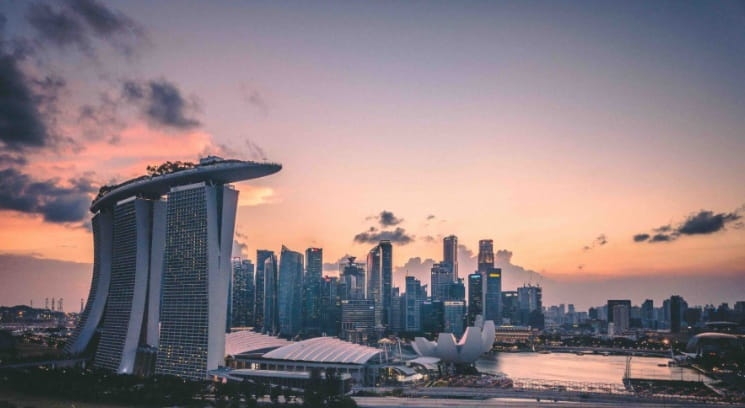
The Economic Engine of Southeast Asia
At the heart of Southeast Asia's investment appeal is its strong economic foundation. The region has shown remarkable resilience and a consistent growth trajectory. Unlike many mature economies, Southeast Asian nations benefit from favorable demographics. A large, youthful workforce fuels both production and consumption, creating a self-sustaining cycle of economic activity.
This growth is not just a forecast; it's a reality reflected in major infrastructure projects. Governments across the region are pouring billions into new airports, high-speed rail lines, and digital networks. These developments do more than just improve daily life; they connect previously remote areas, open up new commercial hubs, and significantly boost property values in the surrounding areas. An investor who understands these infrastructure plans can position themselves to benefit from the coming wave of development.
Key Drivers of Real Estate Demand
Several key factors are pushing the demand for property in Southeast Asia. Identifying them can help you focus your investment strategy for better returns.
- Urbanization: People are moving to cities for better jobs and opportunities. This migration creates a constant demand for housing, from affordable apartments to luxury condominiums. Major cities like Bangkok, Ho Chi Minh City, and Kuala Lumpur are at the center of this trend.
- Growing Middle Class: As incomes rise, so does the desire for better living standards. More families can afford to buy their own homes, upgrade to larger properties, or purchase investment properties for rental income. This group represents a stable and growing source of demand.
- Tourism: Southeast Asia is one of the world's most popular tourist destinations. This creates a strong market for short-term rentals, vacation homes, and hospitality-related properties. Coastal areas in Thailand and resort towns in Vietnam are prime examples of this dynamic.
A Closer Look at Thailand's Property Market
Thailand has long been a favorite for tourists and expatriates, but it is also a mature and attractive market for property investors. The country offers a blend of lifestyle appeal and solid investment fundamentals. Its government has been proactive in creating policies that welcome foreign investment, making the process of buying property relatively straightforward compared to some of its neighbors.
The Thai real estate market is diverse. In Bangkok, the demand for modern condominiums near public transport lines, like the BTS Skytrain and MRT subway, remains high. These properties appeal to both local professionals and expatriates, ensuring a steady stream of potential tenants. Outside the capital, coastal cities like Phuket, Pattaya, and Hua Hin offer a different kind of opportunity. Here, the market is driven by tourism and a growing community of retirees. Villas and beachfront condos in these areas can generate substantial rental income, especially during the peak tourist season.
Understanding Foreign Ownership Rules
One of the most important aspects of investing in Thai property is understanding the legal framework. Foreign nationals can own buildings and structures outright, but they cannot own land in their own name. This has led to a few common and well-established ownership structures.
- Condominium Freehold: Foreigners can own up to 49% of the total unit space in any single condominium project. This is the simplest and most popular way for a foreigner to secure direct ownership of a property in Thailand.
- Leasehold: Another common method is to secure a long-term lease on a property, typically for a period of 30 years. These leases are often renewable, providing a secure form of tenure for decades. This is the standard structure for foreign buyers of villas and houses.
- Company Structure: It is also possible to set up a Thai company to purchase land and property. However, this structure is more complex and requires a majority of Thai shareholders. It is an option usually pursued by those making larger-scale or commercial investments.
Navigating these rules is essential. Working with a reputable local real estate agent and a qualified lawyer can ensure your investment is secure and fully compliant with Thai law. They can guide you through the paperwork and help you choose the ownership structure that best fits your goals.
Emerging Opportunities in Vietnam and Malaysia
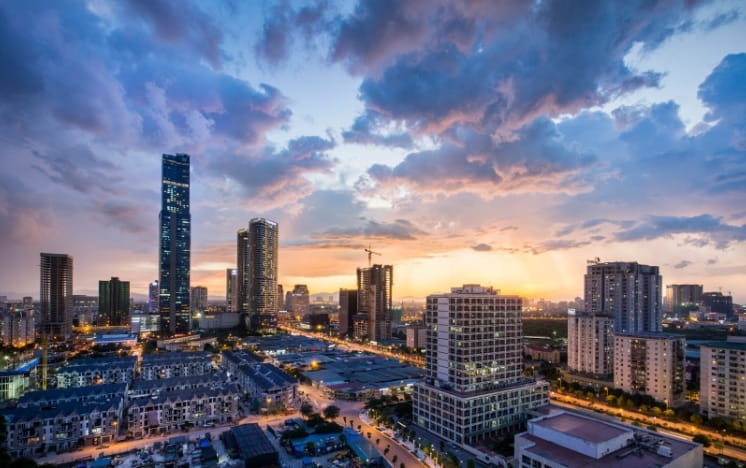
While Thailand is a well-established market, neighboring countries like Vietnam and Malaysia offer exciting growth potential. Vietnam, in particular, has one of the fastest-growing economies in the world. Its government has been actively courting foreign investment, and recent changes to property laws have made it easier for foreigners to buy homes. Cities like Ho Chi Minh City and Hanoi are experiencing a construction boom, with new residential and commercial projects transforming their skylines.
Malaysia offers a stable and well-regulated environment for investors. The "Malaysia My Second Home" (MM2H) program has been successful in attracting long-term residents and property buyers. Cities like Kuala Lumpur and Penang offer a high quality of life at a relatively low cost, making them attractive to both investors and expatriates. The country's legal system is based on English common law, which provides a familiar and secure framework for many international investors.
Building Your Southeast Asian Investment Strategy
Investing in Southeast Asian real estate is not a get-rich-quick scheme. It requires research, patience, and a clear strategy. The first step is to define your goals. Are you looking for long-term capital appreciation, steady rental income, or a vacation home that you can also rent out? Your answer will determine the type of property and location that is right for you.
Once you have a clear objective, conduct thorough due diligence. Research specific markets, visit properties if possible, and talk to local experts. Understand the local rental yields, vacancy rates, and any upcoming infrastructure projects that could impact property values. A successful investment is built on a foundation of solid information.
Finally, consider the long-term outlook. Southeast Asia is positioned for continued growth over the coming decades. By making a well-planned investment now, you can benefit from the economic rise of this dynamic region. Whether it’s a modern condo in Bangkok or a growing city in Vietnam, the opportunities are there for those willing to explore them.
Bahas
Silakan login atau berlangganan untuk mengomentari kolom ini