
17 May 2026 (closed)
Jakarta Composite Index (6,723.40) -135.32 -1.98%
Indonesia Influencer Marketing: Trends and Best Practices (2026)
Indonesia is one of the most influential creator economies in APAC—not because of hype, but because of how people actually behave.
Social platforms here aren’t just for entertainment. They shape conversations, buying decisions, and daily routines. Most communities form around creators first, not brands.
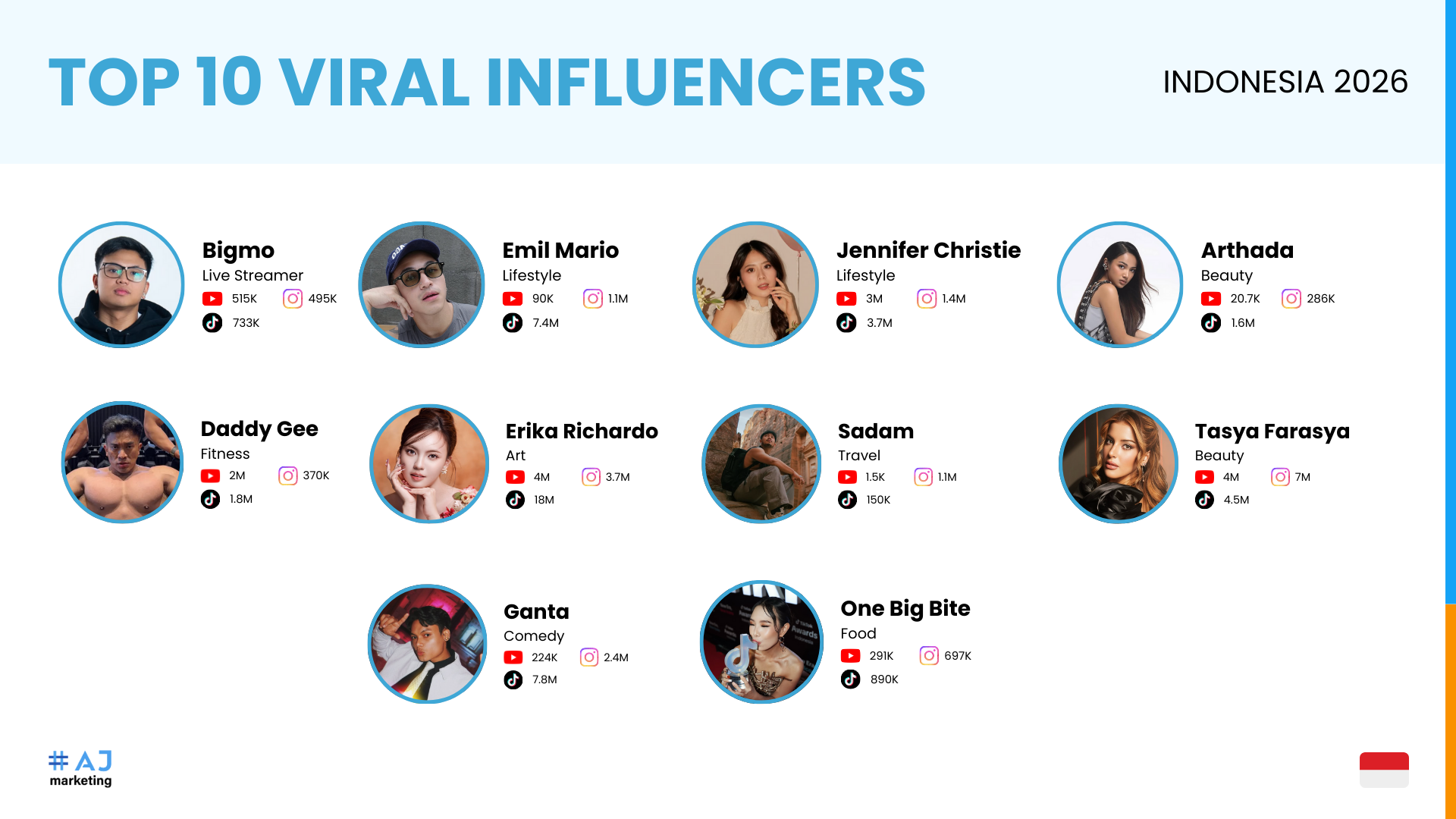
That’s why influencer marketing in Indonesia isn’t something brands “try.” It’s a core growth channel.
From our experience running campaigns across platforms, brands that treat influencer content as filler usually stall. The brands that win are the ones that understand how Indonesians follow creators, build trust over time, and act on what they see every day.
This guide breaks down how influencer marketing really works in Indonesia today, what’s changing in 2026, and how brands can run campaigns that actually convert.
In this guide, we’ll cover:
- Why influencer marketing works so well in Indonesia
- The current influencer landscape across TikTok, Instagram, and YouTube
- Key influencer marketing trends shaping 2026
- Best practices we see working in real campaigns
- Common mistakes brands still make
- How to measure influencer campaign success
- When it makes sense to work with an influencer marketing agency
Why Influencer Marketing Works in Indonesia?
Short answer: trust is built through presence, not polish.
In Indonesia, influencer marketing works because creators show up consistently in people’s daily lives. Not as ads—but as familiar voices.
We see this across formats:
- Long-form YouTube vlogs
- TikTok live streams
- Casual Instagram stories
When brands partner with creators, they’re not borrowing reach. They’re stepping into an existing relationship.
Followers here don’t just watch creators. They follow their routines, values, humor, and opinions. That emotional connection is what turns views into sales—and why influencer marketing remains so effective in Indonesia.
The Current Influencer Landscape in Indonesia
Indonesia has over 160 million social media users, and usage is heavily mobile-first. People don’t use all platforms the same way. Each one plays a different role.
TikTok: Discovery, Virality, Fast Conversion
TikTok is where trends start and buying decisions happen fast.
What we consistently see working:
- Casual, low-polish content
- Humor and daily-life storytelling
- Comment-driven discovery
TikTok has also become a search and commerce platform. With TikTok Shop and affiliate features (locally known as the yellow basket), creators can convert views into sales almost instantly.
Instagram: Lifestyle, Image, Endorsement
Instagram is still strong for:
- Fashion and beauty
- Lifestyle positioning
- Brand partnerships
Indonesian users on Instagram are more ad-tolerant. When they open the app, they expect curated visuals and branded content—as long as it fits the creator’s style.
YouTube: Trust, Reviews, Education
YouTube is where people go when they want depth.
It performs best for:
- Electronics and automotive
- High-consideration purchases
- Long-form reviews and live streams
We often see YouTube content influencing purchases weeks or months later, even if it doesn’t convert instantly.
Key Influencer Marketing Trends in Indonesia (2026 Update)
The influencer marketing trends in Indonesia constantly changes. Here are the top 2026 trends:
Micro & Community-Driven Creators
High reach doesn’t guarantee results anymore. We see this clearly in recent campaigns.
Micro-creators often outperform larger accounts when:
- The audience is niche
- The product needs explanation
- Trust matters more than hype
That’s why brands are shifting budget away from mass reach and toward creators who genuinely influence a specific community.
One example we’ve seen work well is grocery delivery service ASTRO partnering with cooking creator Agestyani. Instead of pushing a hard sell, the content showed how ASTRO’s 24-hour delivery fits real moments—midnight cravings and early-morning cooking. It felt natural, useful, and believable.
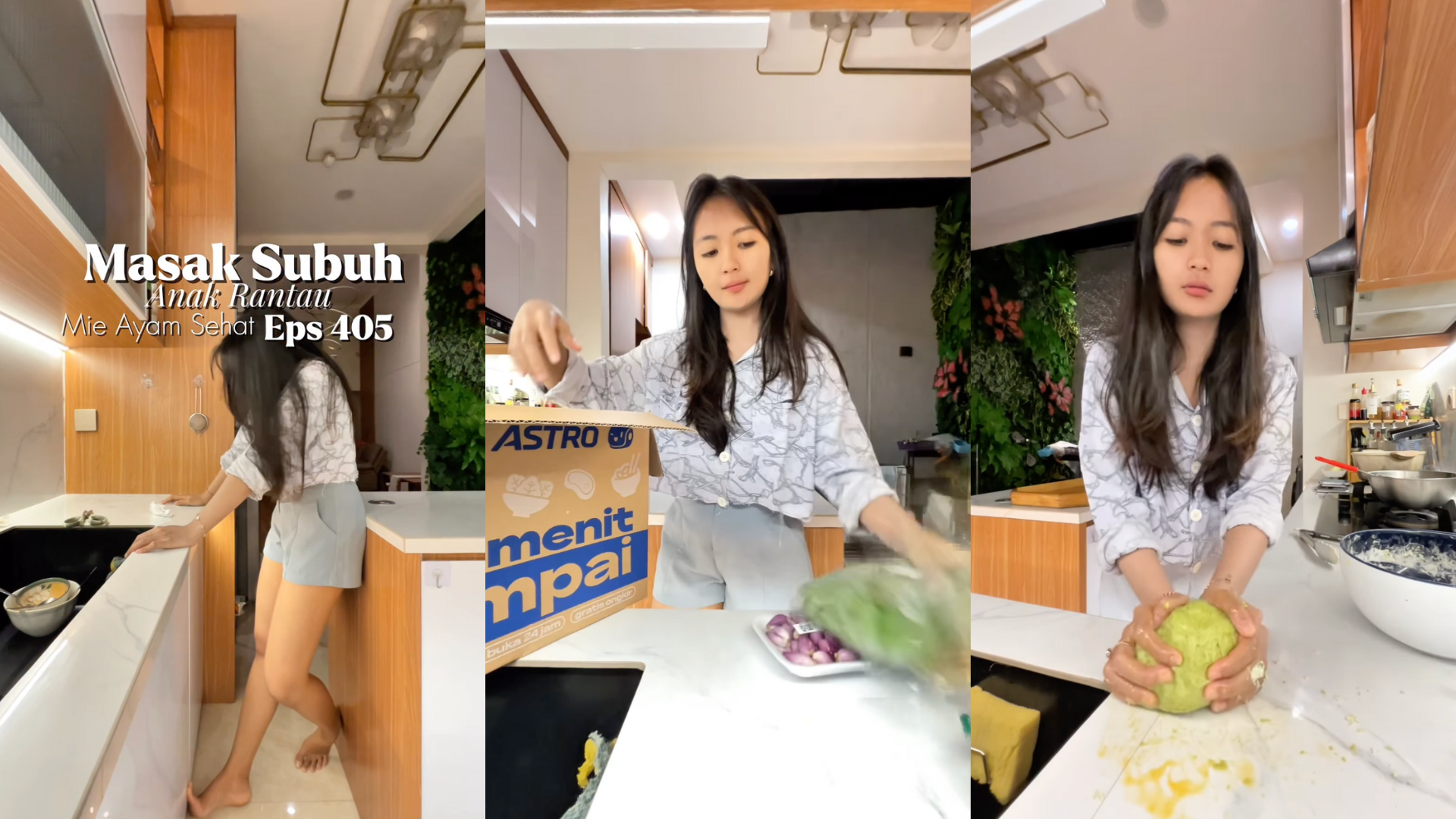
Photo credits: @agestyaniii
Creator-Led Storytelling
Audiences—especially Gen Z—are extremely sensitive to forced advertising.
What works better:
- Products integrated into daily routines
- Natural storytelling instead of scripted lines
- Creators explaining why they use something
When creators control the narrative, content feels real. And real content converts.
A good example is when Apple invited tech creator Kelvin Kurniawan to visit its durability lab in Singapore. Instead of pushing features, Apple let Kelvin see the testing process firsthand. He turned that experience into a behind-the-scenes vlog, showing his audience how each iPhone is stress-tested before assembly. The result felt informative, credible, and genuinely interesting—not like an ad.
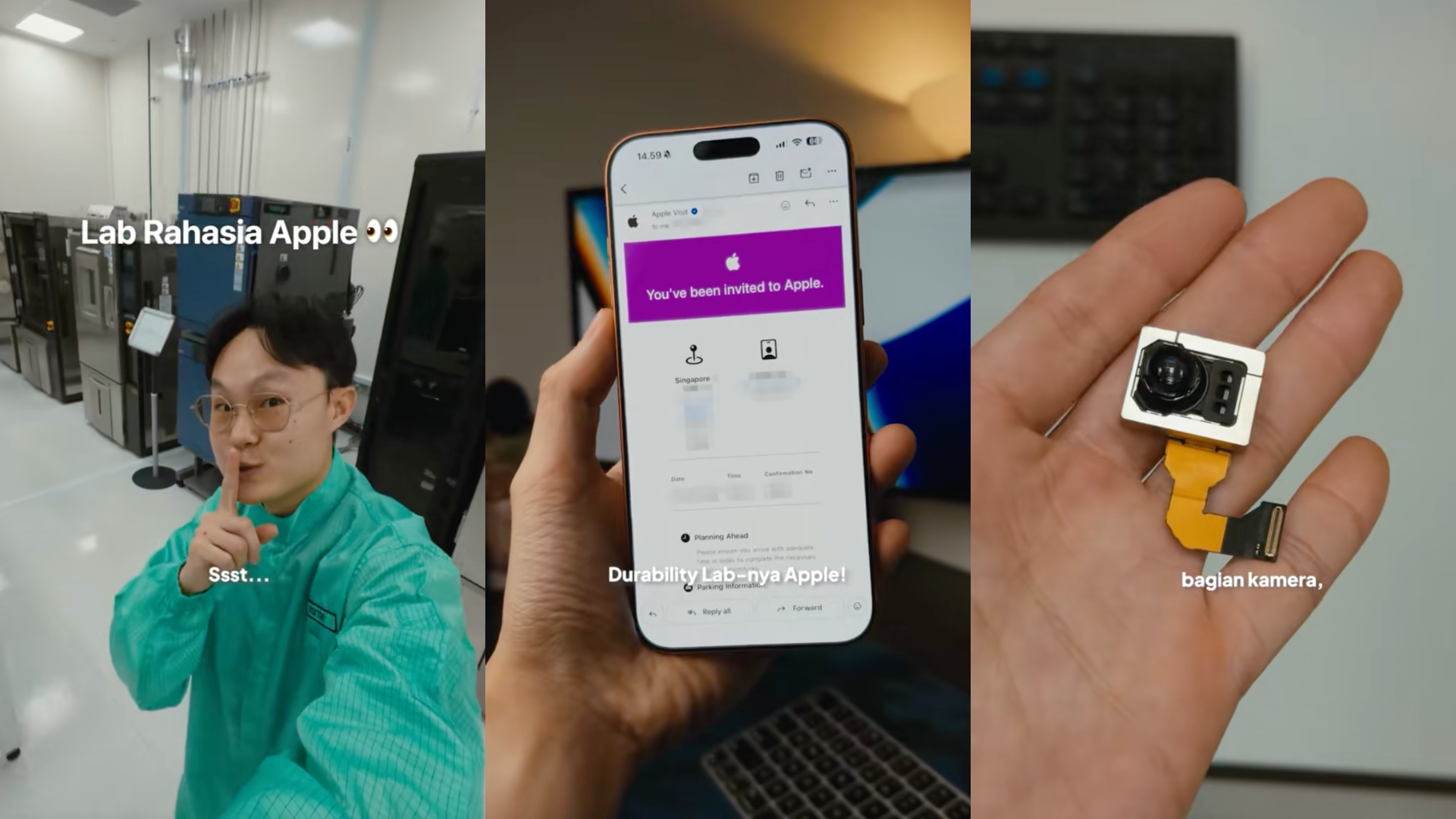
Photo credits: @kelvinkurniawan07
Long-Term Partnerships Over One-Off Posts
One-off posts are easy to forget. Repeated exposure builds familiarity. In 2026, high-performing brands think in ecosystems:
- Always-on creator partnerships
- Campaigns tied to cultural moments and shopping cycles
- Repeated appearances across platforms
Long-term partnerships help creators understand the product—and help audiences trust the brand.
A strong example is Sony’s partnership with Indonesian filmmaker Kelvin. Instead of running one-off ads, Sony supported his filmmaking journey over time. Across different posts and projects, Sony was consistently present in the background. It felt like real support, not advertising—and that’s why it worked.
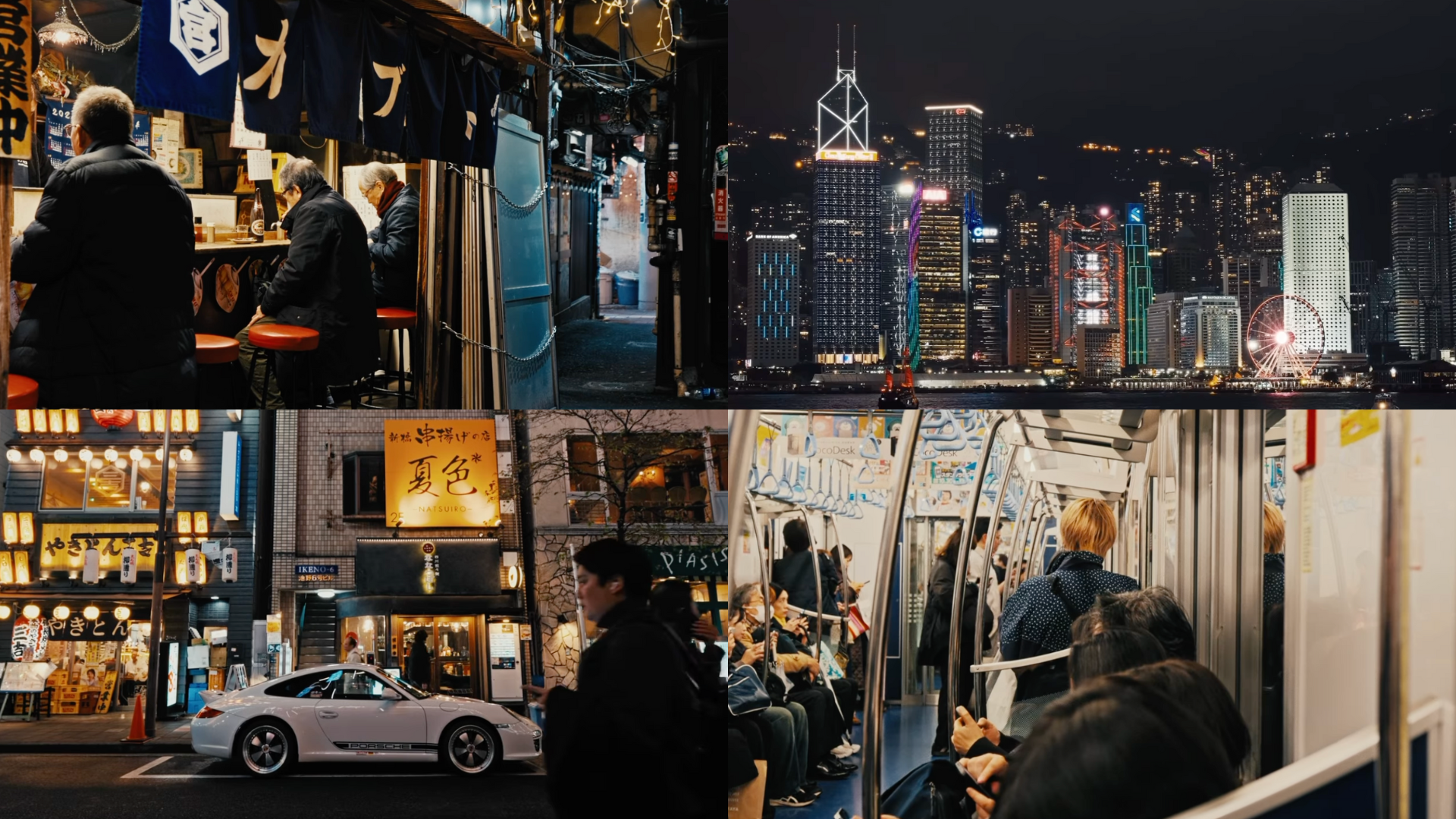
Photo credits: kelvin_t413
Best Practices for Influencer Marketing in Indonesia
Here are what successful brands are doing with their influencer marketing campaigns:
Start With Cultural Relevance
Localization isn’t optional. Avoid copying global creatives into Indonesia. Local humor, pacing, and references matter more than perfect translations.
Work with creators who understand how their audience actually thinks and talks.
As an example, Nescafe partnered with Niky Putra, the creator behind the TikTok trend ‘Mihu Mihu’. This trend is native to Indonesian TikTok, making Nescafe, an international brand, perfectly localize their global brand into Indonesia’s local humor.
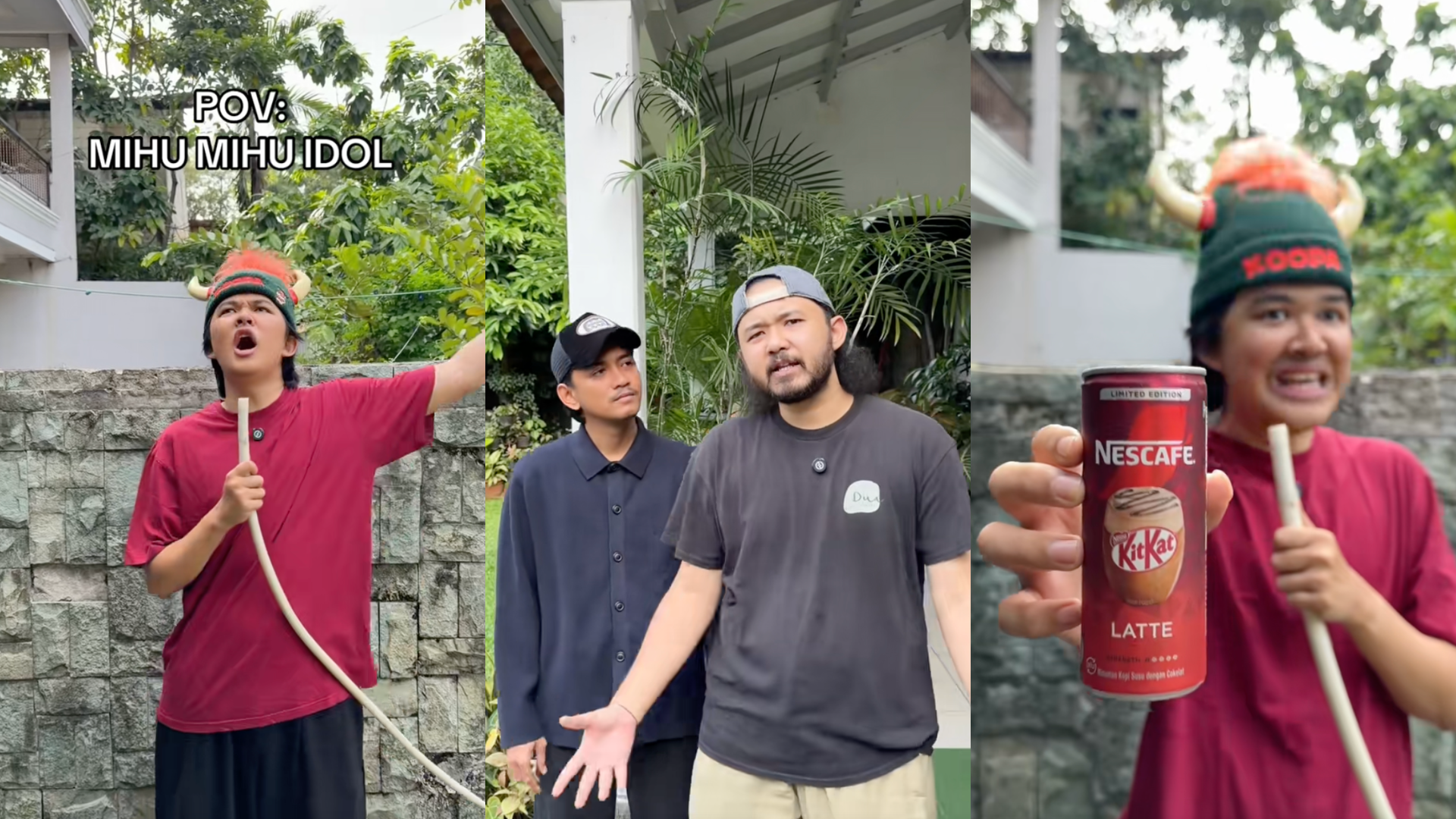
Photo credits: @nikyrputra
Match Creators to Objectives
Not all creators are built for the same goal.
- Mega influencers → awareness
- Micro creators → engagement and conversion
Strong campaigns usually mix tiers and platforms instead of betting on one profile.
A good example is Nescafé’s partnership with Niky Putra, the creator behind the “Mihu Mihu” TikTok trend. The trend was native to Indonesian TikTok culture. By leaning into it, Nescafé didn’t feel like a foreign brand trying too hard—it felt local, relevant, and in on the joke.

Photo credits: @kennylkmn, @vellaaania, @indahkus_
Brief Light, Not Tight
Creators know their audience better than brands do.
The best briefs we see:
- Clear key message
- Defined boundaries
- Creative freedom
When creators sound like themselves, audiences listen.
A good example is One Big Bite, one of Indonesia’s most trusted food reviewers, known for her comedic style and exaggerated visuals. When she partnered with Moku Matcha, the idea wasn’t over-scripted. She “bought” a 15-liter matcha as a visual hook. The twist came later—Moku turned it into multiple cups that she gave out to strangers. The content felt entertaining, unexpected, and true to her style.
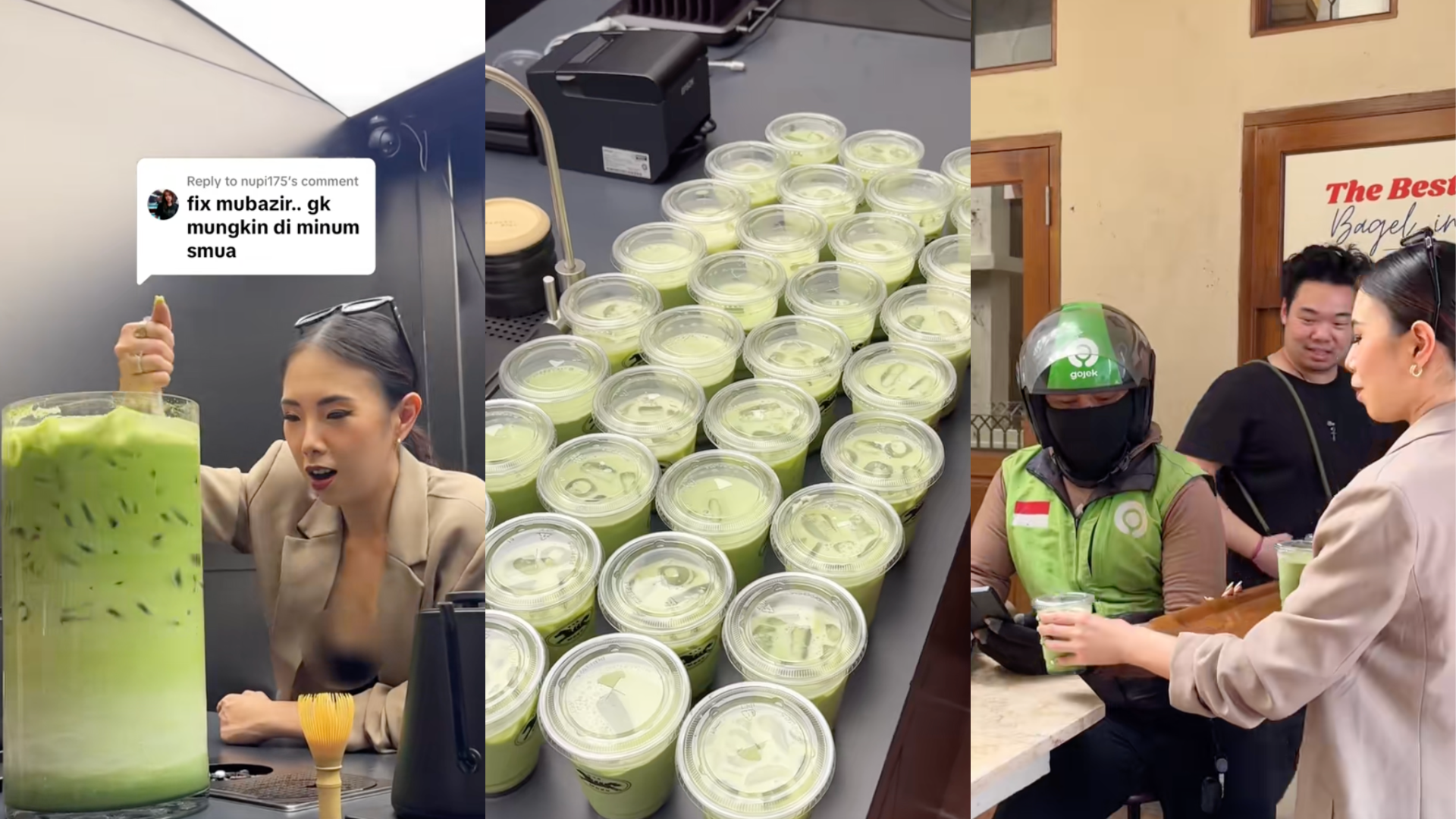
Photo credits: @onebigbite
Combine Paid and Organic Distribution
Posting is not the finish line.
Top-performing campaigns:
- Whitelist strong creator content
- Use Spark Ads on TikTok
- Retarget high-engagement videos
Organic trust + paid amplification is where scale happens.
As an example, to maximize reach, Biore Indonesia boosted Clarice’s branded content as a spark ad.
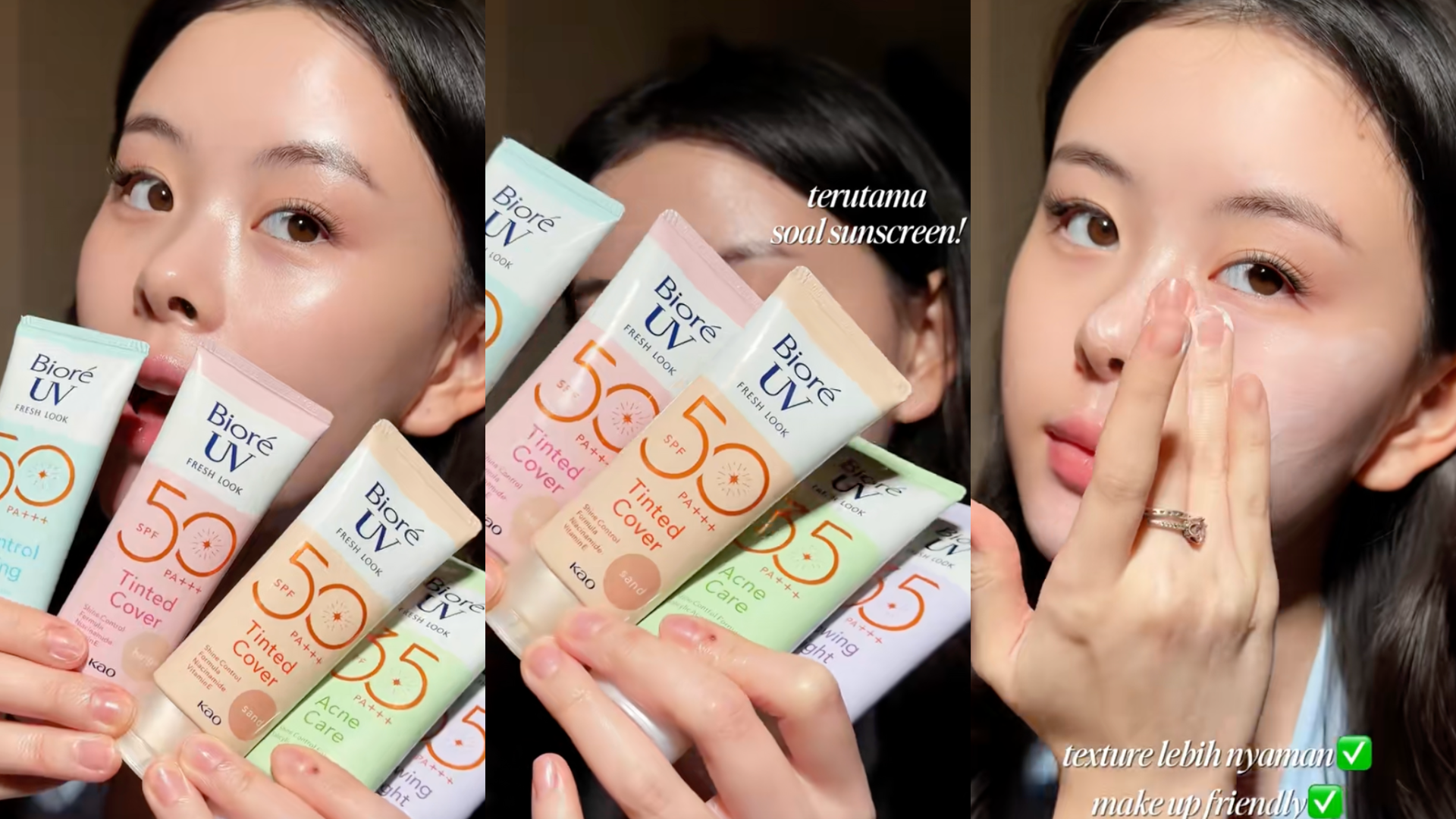
Photo credits: @clariceecutie
Common Mistakes Brands Still Make
Mistake #1: Chasing follower count
Big numbers look good on paper, but they don’t guarantee impact. Platforms now push relevant content, not the biggest accounts.
Mistake #2: Ignoring audience values
Age and location aren’t enough. What really matters is what the audience cares about and how they think.
Mistake #3: Treating Indonesia as one market
Jakarta, Surabaya, and smaller cities behave very differently. One approach rarely fits all.
Mistake #4: Moving too slowly
Trends shift fast here. Long approval cycles often mean missing the moment entirely.
How to Measure Influencer Campaign Success
There’s no single KPI that fits every campaign.
What we usually track:
- Comment quality, saves, shares
- Watch time and completion rate
- Traffic and assisted conversions
- Brand sentiment when available
Often, the most useful insights come from reading comments—not dashboards.
When to Work With an Influencer Marketing Agency
From experience, Indonesia’s creator market looks simple from the outside—but it isn’t.
Once you work with multiple creators, across cities and platforms, things get complex fast. That’s where agencies earn their value.
Agencies help when you need:
- Coordination across many creators
- Proper local vetting, not just database picks
- Smooth contracts, payments, and compliance
- Campaigns that run in parallel across platforms
At scale, local knowledge still beats automation. That’s what keeps campaigns moving—and prevents costly mistakes.
Final Thoughts
Influencer marketing in Indonesia is relationship-driven.
Brands that succeed focus on:
- Consistency
- Cultural fluency
- Creator trust
The market rewards brands that build with creators, not brands that treat them as media placements.
That’s the difference we see—campaign after campaign.